
Have you ever walked into your home after spending money on beautiful furniture, fresh paint and a stylish ceiling design, only to feel that something is still missing? The problem may not be your décor. It could be your lighting.
Good lighting can make a room feel warm, spacious, comfortable and expensive, while poor lighting can make the same space feel cold, flat, cramped or unwelcoming. From using only one light source to choosing the wrong color temperature or installing too many downlights, small decisions can have a surprisingly big effect on how your home looks and feels.
In this guide, we will explore the most common lighting mistakes homeowners make and, more importantly, how to fix them. If you are building, renovating or simply trying to improve your home lighting, these practical tips will help you create a better-lit space without necessarily starting another major renovation.
What Are the Most Common Lighting Mistakes in Home Interior Design?
Many homeowners think lighting simply means installing a ceiling light and choosing a nice-looking bulb. In reality, lighting is an important part of interior design because it affects how you see colors, furniture, architectural details and the overall mood of a room.
One of the most common lighting mistakes is treating every space in the house the same. A bedroom does not have the same lighting requirements as a kitchen, while a dining area does not need exactly the same approach as a home office. The amount of natural light available, the size of the room and the activities taking place there should all influence your decisions.
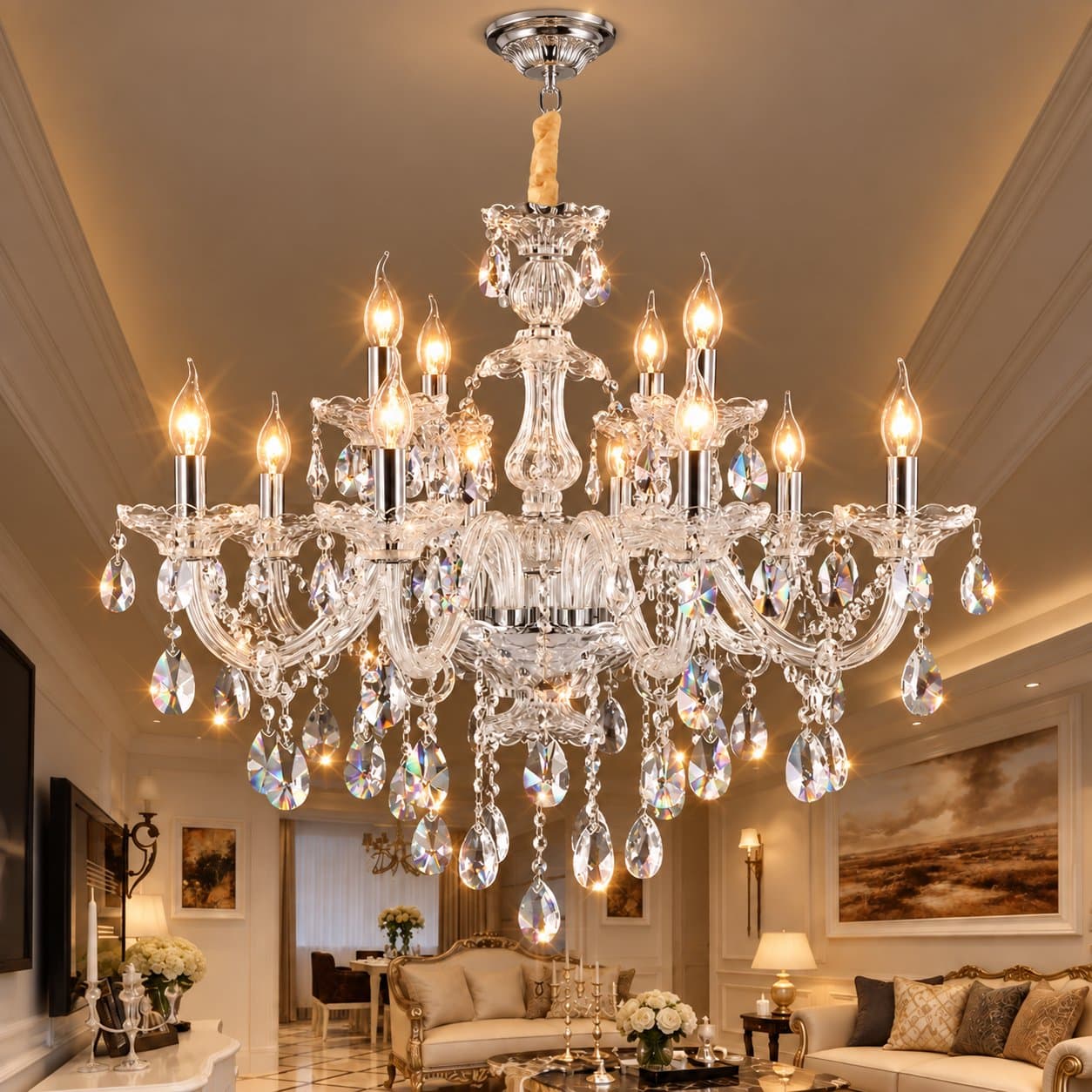
Another mistake is choosing a beautiful fixture without considering what it actually needs to do. A chandelier may look impressive, but it may not provide enough illumination for an entire room. Similarly, a decorative lamp can contribute to the atmosphere without being suitable as the main light source. The best approach is to think about lighting as part of your interior design from the beginning rather than something added at the end.
Are You Using Only One Light Source in a Room?
You switch on the main light and expect it to brighten the entire space. The center of the room is reasonably bright, but the corners are dim, the walls look flat and your favorite reading chair is sitting in a shadow. If this sounds familiar, using only one light may be the reason.
A single ceiling light is useful for general illumination, but one light source in a room rarely provides everything the space needs. Depending on the position of the fixture, some areas may receive too much artificial light while others receive very little.
This is particularly noticeable in living rooms, where people may watch television, read, entertain guests and relax in different parts of the space.
How can you fix the one-light problem?
Instead of relying on one light source, combine different types of lighting based on the purpose of each area. Your main ceiling fixture can provide general illumination, while a floor lamp beside a reading chair can provide focused light.
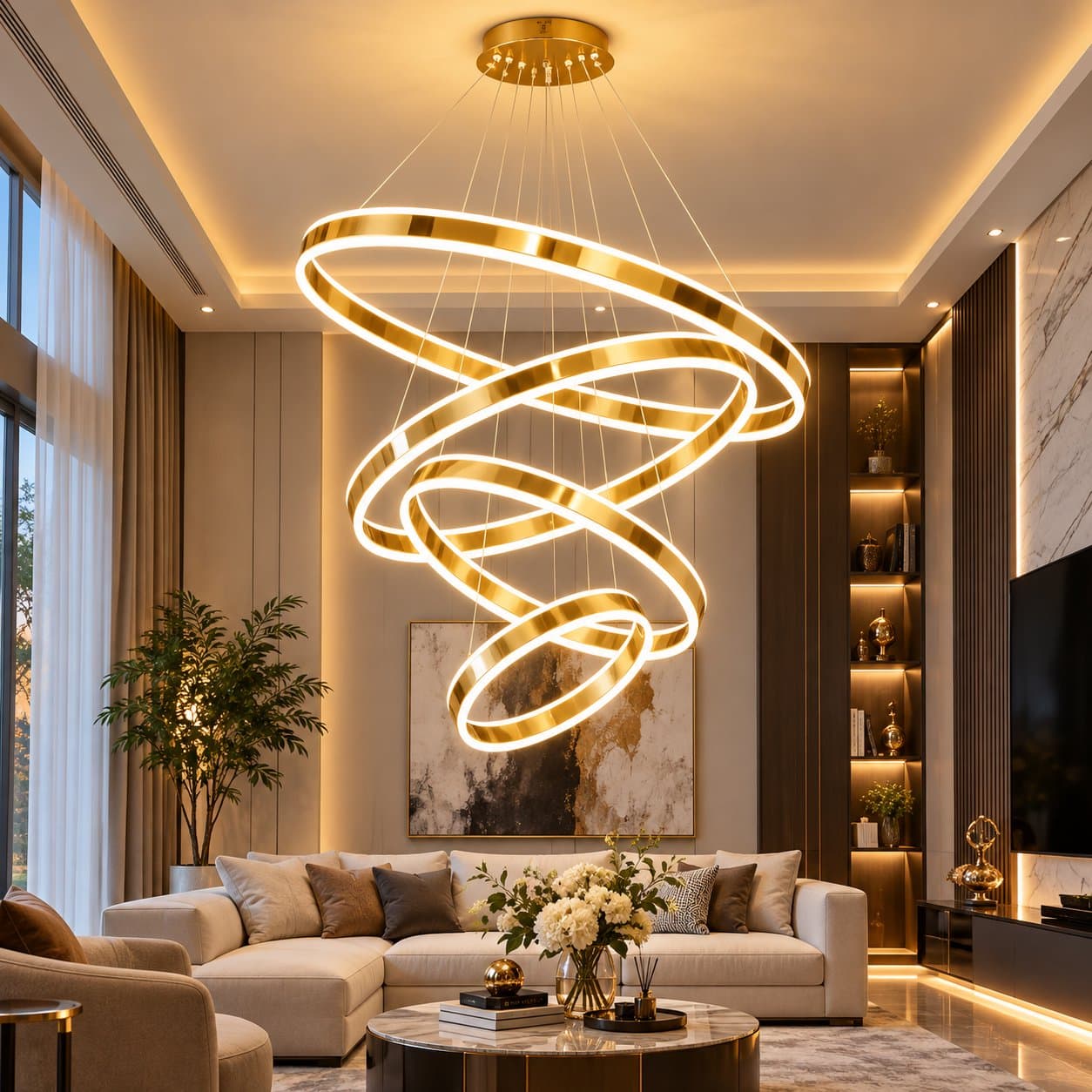
You can also add a wall light to brighten a dark wall or use accent lighting to highlight artwork, shelving or an architectural feature. In a dining area, a pendant light positioned over the dining table can provide a more focused and attractive source of illumination.
This combination creates layered lighting, where different sources work together instead of forcing one fixture to do everything.
Could the Wrong Color Temperature Be Making Your Room Feel Bad?
Have you ever entered your bedroom at night and wondered why it suddenly feels cold and clinical? Or perhaps your living room looks much harsher at night than it does during the day. The problem could be your colour temperature.
Color temperature describes how warm or cool a light appears. Warm white lighting generally creates a softer and more relaxed atmosphere, making it suitable for spaces where you want to unwind. Cooler lighting can create a brighter, more alert environment and may be more appropriate for areas where visibility and concentration are important.
For example, warm white can work well in bedrooms, living rooms and dining areas, while brighter lighting can be useful around kitchen counters and work areas.
Is 5000K the right color temperature for your home?
Not necessarily. A 5000K bulb produces a much cooler-looking light than a warm residential setting typically requires. That does not make it a bad bulb, but it means you should consider where and why you are using it.
The right light depends on the function of the space. Instead of choosing a bulb simply because it looks bright in a showroom, consider the mood you want to create and how the light will interact with your paint colour, furniture and natural light.