
Lighting trends in 2026 are redefining how we experience our homes. In today’s interior design landscape, lighting is no longer just a finishing touch, it is a foundational element that shapes mood, enhances comfort, and defines the overall aesthetic of a space.
This guide explores the most important lighting trends for 2026 and shows how to apply them practically using smart, stylish, and modern lighting solutions.
1. What Are the Top 2026 Lighting Trends Shaping Modern Homes?
Lighting in 2026 is all about intentional design, where every fixture serves both a functional and visual purpose. Homeowners are moving toward lighting that tells a cohesive story, blending seamlessly with the interior.
One of the standout trends is sculptural lighting. Fixtures like chandeliers and pendants are now artistic centerpieces rather than background elements. These bold designs introduce personality while maintaining balance within the space.
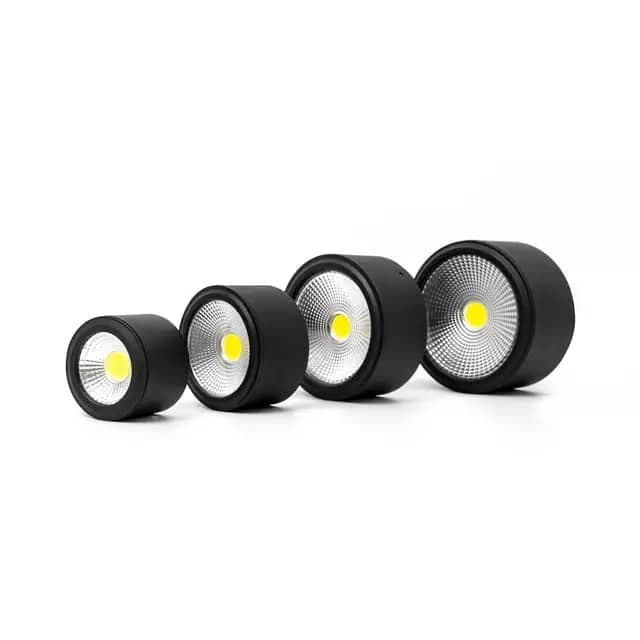
At the same time, energy-efficient LED technology continues to dominate. It offers long-lasting performance, reduced energy consumption, and cleaner light quality, making it both practical and sustainable.
2. How Are Lighting Ideas Evolving in Interior Lighting Design?
Lighting design in 2026 has shifted from basic illumination to layered, experience-driven design.
Instead of relying on a single ceiling light, modern interiors combine multiple sources, such as:
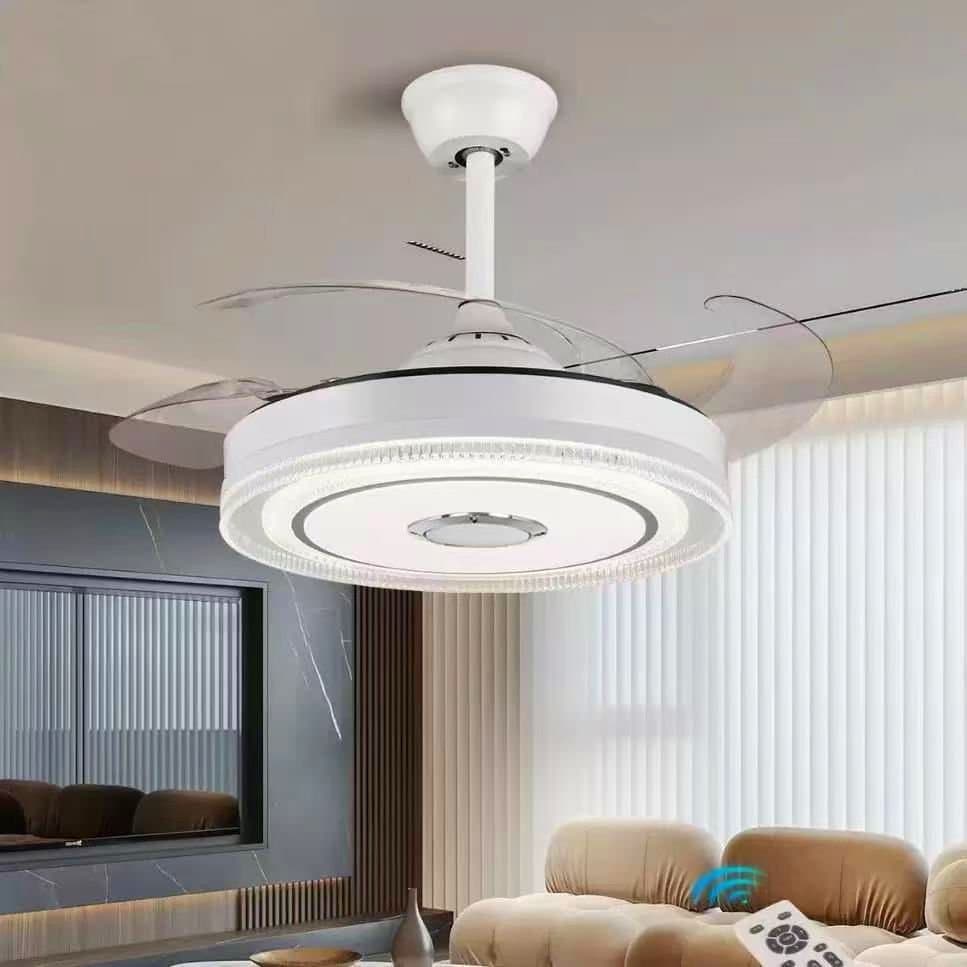
Ceiling lights for general brightness
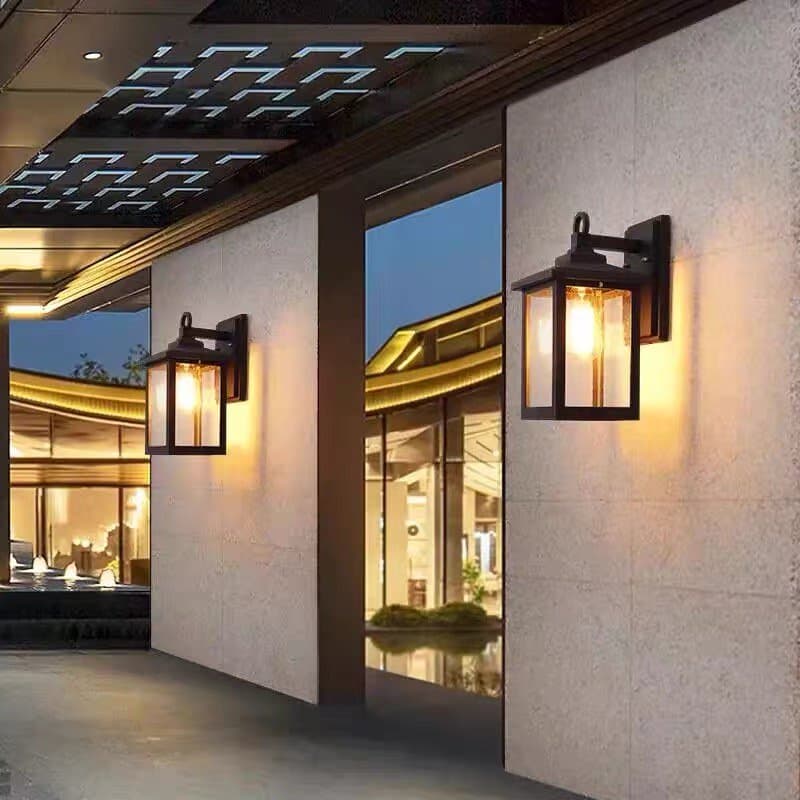
Wall lights for depth
Table lamps for warmth and comfort
This layered approach creates a more dynamic and comfortable environment.
Another major evolution is personalization. Smart lighting systems now allow homeowners to adjust brightness, colour temperature, and ambiance based on time of day or activity, making spaces more adaptable and responsive.
3. Why Is the Chandelier Making a Comeback in Living Rooms?
The chandelier has returned, but not in the way you might expect.
In 2026, chandeliers are sleek, minimal, and sculptural, moving away from overly decorative traditional styles. They now act as bold focal points that anchor the room.
Modern chandeliers:
Add visual structure to large living spaces
Create a sense of luxury without excess
Incorporate LED technology for efficiency
They strike the perfect balance between statement design and everyday functionality.
4. What Is the Best Lighting for Dining Table and Dining Areas?
Dining spaces require lighting that is both functional and atmospheric.
The most effective choices in 2026 include:
Pendant lights for focused illumination
Linear pendants for rectangular dining tables
These fixtures provide direct lighting while enhancing the visual appeal of the space.
For the best results:
Use warm light tones to create a relaxed atmosphere
Choose natural finishes to complement modern interiors
The goal is to create a space that feels inviting and encourages connection.
5. How Do Modern Lighting Fixtures Enhance Interior Trends?
Lighting fixtures are no longer secondary, they are now key design elements.
A well-chosen fixture can:
Elevate a simple room instantly
Reinforce the overall design theme
Add structure and visual interest
Modern lighting focuses on clean lines, subtle elegance, and functional beauty, making it an essential part of contemporary interiors.
6. What Role Do Pendant Lights Play in 2026?
Pendant lighting remains one of the most versatile tools in modern design.
In 2026, pendants are used to:
Define kitchen islands
Create focal points in living rooms
Add rhythm through clustered arrangements
Their flexibility allows for creativity in:
Height variation
Spacing
Design combinations
Whether minimal or bold, pendant lights continue to shape the visual identity of a space.
7. How Is Japandi Minimalism Influencing Lighting Trends?
Japandi design, a blend of Japanese and Scandinavian aesthetics, is a major influence in 2026 lighting.
This style emphasizes:
Simplicity
Natural materials
Soft, diffused lighting
Fixtures are intentionally understated, focusing on calmness, balance, and craftsmanship.
The result is a serene environment where lighting enhances the space without overpowering it.
8. Why Are Wall Lights and Sconces Essential in Layered Lighting?
Wall lighting has become a crucial part of modern interiors.
In 2026, wall lights are used to:
Add depth and dimension
Highlight textures and architectural features
Provide soft, indirect illumination
When combined with ceiling lights and lamps, they help create a balanced and visually comfortable lighting scheme.
9. How Are LED and Energy-Efficient Solutions Transforming Lighting?
LED lighting continues to lead innovation in 2026.
Its key advantages include:
Lower energy consumption
Longer lifespan
Consistent light quality
Modern LED systems also support:
Adjustable brightness
Tunable colour temperatures
Smart home integration
This allows homeowners to create adaptive lighting environments that change throughout the day.
10. What Lighting Ideas Create a Warm and Inviting Living Space?
A warm and inviting space is all about balance and layering.
To achieve this:
Combine multiple light sources (pendants, lamps, wall lights)
Use warm colour temperatures
Avoid overly harsh or direct lighting
Soft, diffused light creates a comfortable atmosphere that supports both relaxation and everyday living.