Steadfast
The Complete Lighting Guide: How to Create Perfect Home Lighting for Every Room.

The Complete Lighting Guide: How to Create Perfect Home Lighting for Every Room.


O. Oyinkansola11 min read

The right lighting can completely transform a home. It affects comfort, mood, productivity, aesthetics, and even well-being. A warm bedroom lamp helps you relax after a stressful day, while brighter kitchen lighting improves visibility and safety during cooking. Good lighting also makes a home feel more spacious, welcoming, and functional.

This complete guide to home lighting explains how to choose the right lighting for every room in the house. From the living room and kitchen to the bathroom and dining room, you will learn how different lighting layers work together, how color temperature affects atmosphere, and how to balance aesthetics and functionality in modern lighting design.

Whether you are building a new home, renovating your interior, or simply upgrading a lighting fixture, this lighting guide will help you make smarter and more practical decisions.

Why Is Lighting So Important in Modern Home Lighting Design?

Lighting is one of the most important parts of interior planning, yet many homeowners underestimate its impact. The right lighting design can improve comfort, productivity, relaxation, and overall atmosphere within a space.

Poor lighting creates discomfort, excessive shadow, and uneven illumination. On the other hand, good lighting makes rooms feel brighter, cleaner, and more inviting. It can even affect mood and well-being. Warm ambient lighting encourages relaxation, while cooler lighting helps improve concentration and focus.

Modern lighting design is no longer only about visibility. It now combines aesthetics and functionality together. A decorative chandelier may act as a visual centerpiece, while task lighting supports reading a book, cooking, or working comfortably.

Lighting also changes how colors appear within the home. The tone of the bulb affects whether a room feels warm, cool, cozy, or energetic. This is why choosing the right kelvin temperature matters so much in residential lighting. A carefully planned lighting scheme helps every room feel balanced and purposeful instead of harsh or poorly illuminated.

What Are the Main Categories of Lighting Every Home Needs?

Every successful home lighting setup combines three main categories of lighting. These layers work together to create balance, comfort, and flexibility throughout the house.

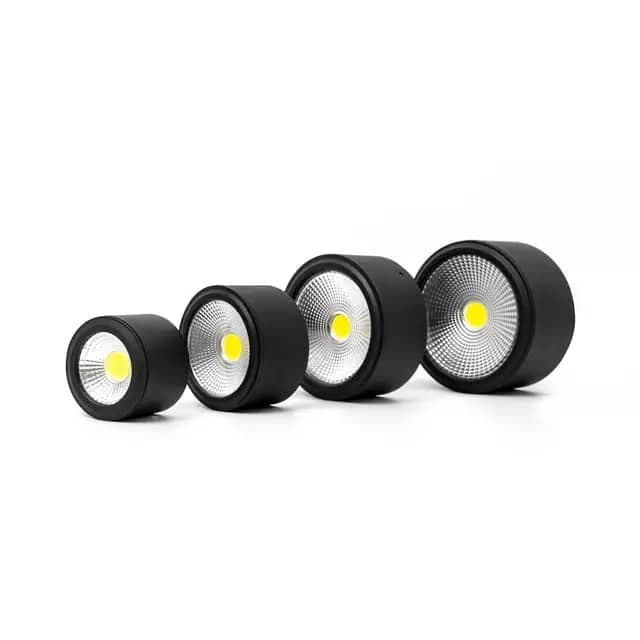
The first category is ambient lighting. This provides overall illumination for the room and usually comes from ceiling fixtures, pendant lights, or recessed lighting. Ambient lighting forms the base layer that allows people to move safely and comfortably through the space.

The second category is task lighting. Task lighting focuses on activities such as reading, cooking, studying, or applying make-up. A desk lamp, kitchen cabinet lighting, or bedside fixture are all examples of task lighting designed for specific functions.

The third category is accent lighting. Accent lighting is used to highlight artwork, architectural details, decorative walls, or shelves. Accent lights create depth and visual interest while making the room feel more layered and luxurious.

Many modern homes also use indirect lighting to conceal the light source itself. LED strips hidden inside ceiling recesses create a soft glow that feels elegant and less intense than direct lighting. The best lighting design combines all these different types together rather than depending on a single bulb in the center of the ceiling.

How Should You Light a Living Room for Comfort and Functionality?

The living room is one of the most flexible areas in any home. It is used for entertaining guests, watching tv, relaxing with family, and sometimes even working or dining. That is why lighting for every room should never follow the same formula, especially in the living room.

A strong living room lighting setup begins with ambient lighting that provides enough light across the entire space. Ceiling fixtures, recessed lights, or a central chandelier often create this foundational illumination.

However, ambient lighting alone is not enough. Accent lighting helps illuminate artwork, shelves, or architectural features, while floor lamps and side lamps create softer lighting zones for relaxation.  

Watching a movie or watching tv also changes lighting requirements. Bright overhead lighting often creates glare on the tv screen, making viewing uncomfortable. Dimmable lighting helps adjust brightness levels depending on the activity and time of day. Pendant lights are also useful in larger living rooms because they help define certain seating areas visually.

One important rule to remember is this: living room lighting should feel flexible enough for both entertaining and relaxing without becoming visually overwhelming.


The Complete Lighting Guide: How to Create Perfect Home Lighting for Every Room.

What Makes Bedroom Lighting Feel Warm and Cozy?

Bedroom lighting should support comfort and rest above everything else. Unlike the kitchen or workspace, the bedroom is designed for relaxation and sleep.

Warm lighting with lower kelvin temperatures usually works best because it creates a cozy atmosphere. Cooler whiter lighting may feel brighter, but it can also feel overstimulating late at night. Scientific studies show that excessive blue-toned lighting can affect melatonin production, making it harder to relax properly before sleep.

The best bedroom lighting combines ambient lighting with softer bedside lamps and accent lighting. Pendant lights suspended beside the bed are becoming increasingly popular because they create a decorative hotel-style effect. Brightness can be adjusted depending on whether you are preparing for the day, reading a book, or relaxing before sleep.

Wardrobe lighting is another important detail many homeowners overlook. Proper illumination inside wardrobes improves visibility while reducing shadow in darker corners. A well-designed bedroom should feel calm, warm, and comfortable rather than overly bright or clinical.

How Can Kitchen Lighting Improve Safety and Visibility?

The kitchen is one of the most functional spaces in the home, which means lighting should prioritize visibility and safety before decoration. Cooking, cleaning, chopping, and food preparation all require strong illumination. Without enough light, the kitchen can quickly become uncomfortable and even hazardous.

A balanced kitchen lighting design usually combines ceiling lighting with task lighting directly above countertops and work areas. Under-cabinet lighting is especially effective because it illuminates surfaces where food preparation happens most often. This reduces shadow while improving precision and safety.

Neutral to cool lighting generally works best in kitchen spaces because it provides clearer visibility and more accurate color perception while cooking. Pendant lights are also commonly installed above kitchen islands to combine decoration with functionality.

One major mistake many homeowners make is depending entirely on one central bulb. This creates uneven brightness and leaves important work surfaces poorly illuminated. The best kitchen lighting setup feels clean, practical, and bright without becoming visually harsh.

What Is the Best Bathroom Lighting Setup?

Bathroom lighting requires a balance between visibility, comfort, and safety. Since the bathroom contains moisture and reflection-heavy surfaces, poor lighting placement quickly becomes noticeable. The most important part of bathroom lighting is mirror lighting. Overhead lighting alone often creates shadow on the face, making grooming, shaving, and make-up application more difficult.

Wall-mounted fixtures placed beside the mirror usually provide more balanced illumination than a single ceiling fixture. Neutral lighting around 4000 kelvin generally works best because it produces natural-looking visibility without feeling too cold.

Bathrooms also benefit from layered lighting. Ambient ceiling lighting provides general visibility, while accent lights and indirect lighting add atmosphere. Safety is especially important in bathroom spaces because water and electrical fittings exist close together. All bathroom fixtures should be properly installed and suitable for humid conditions.

A strong bathroom lighting setup should feel clean, comfortable, and visually balanced rather than excessively dim or overexposed.

Why Does Dining Room Lighting Affect The Atmosphere So Much?

Dining room lighting changes how people experience meals and conversations. It directly influences mood, comfort, and social interaction. Warm lighting usually works best because it creates a more welcoming environment during meals. Bright cool lighting often feels too functional and removes intimacy from the room.

Pendant lights suspended above the dining table are among the most effective lighting choices because they focus illumination exactly where it is needed. The position of the fixture matters greatly. Hung too high, the lighting loses warmth and intimacy. Hung too low, it becomes visually distracting.

Dimmable lighting is especially useful in dining spaces because brightness levels can easily adjust between casual meals, celebrations, and evening gatherings. A decorative chandelier can also transform the dining room into a stronger visual centerpiece within the home. The most successful dining room lighting creates atmosphere without sacrificing visibility during meals.

How Do Pendant Lights and Chandeliers Change a Space?

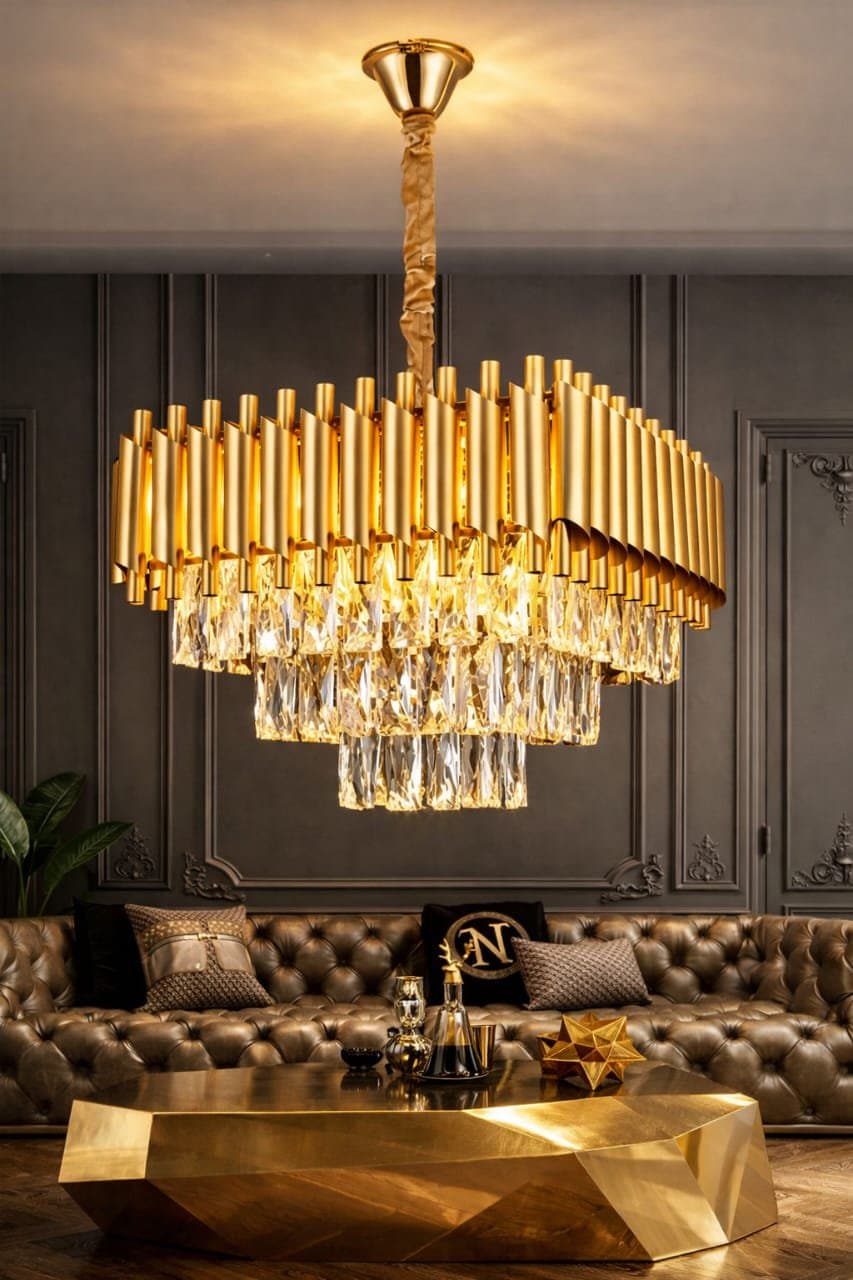
Pendant lights and chandeliers do more than provide lighting. They also shape how a room feels visually. A chandelier often becomes the focal point of the ceiling, immediately drawing attention and adding decorative impact. Pendant lighting, however, tends to feel more modern and versatile.

Pendant lights are particularly useful because they can define smaller zones within larger spaces. For example, pendant fixtures above a dining table or kitchen island visually separate those areas from the rest of the room.

The style of the lighting fixture also influences the personality of the interior. Minimal fixtures create a cleaner modern look, while decorative fittings add luxury and drama. Lighting placement matters just as much as fixture style. Poorly positioned pendants can create excessive shadow or uneven illumination.

An architect or interior designer often uses pendant lighting strategically to balance proportion, ceiling height, and visual flow throughout the home. The right fixture can completely transform how spacious, elegant, or inviting a room feels.

The Complete Lighting Guide: How to Create Perfect Home Lighting for Every Room.

What Role Does Natural Light Play in Home Lighting?

Natural light remains one of the most valuable light sources in residential design. It improves mood, reduces energy consumption, and helps spaces feel larger and more open.Homes with strong natural light generally feel brighter and more comfortable during the day. Large windows, reflective surfaces, and lighter finishes all help maximize daylight within the interior.

However, artificial lighting still plays a major role after sunset and during darker weather conditions. The best lighting design complements natural light instead of competing with it. During the daytime, softer indirect lighting often works better than intense overhead illumination.

Reflection also matters when positioning fixtures around windows or glossy surfaces. Poor placement can create glare and visual discomfort. A balanced home lighting setup combines daylight with layered artificial lighting to maintain comfort throughout the day and night.

How Can You Create a Balanced Lighting Scheme Throughout the Home?

A successful lighting scheme does not happen accidentally. It requires planning, consistency, and understanding how each room functions differently. The first step is identifying how each space will be used daily. A bedroom requires softer less intense lighting, while a kitchen demands stronger visibility and task lighting.

The second step is layering lighting correctly. Ambient lighting, task lighting, and accent lighting should work together rather than compete. It is also important to adjust brightness according to room function. Over-lighting often creates discomfort instead of improving visibility.

Dimmable fixtures provide flexibility because homeowners can switch between brighter task-focused lighting and softer evening lighting easily. Choosing the right bulb colour temperature is equally important. Warm lighting supports relaxation, while cooler lighting improves focus and productivity.

Finally, every lighting fixture should support both aesthetics and functionality. Beautiful lighting that performs poorly will eventually become frustrating to use. The best home lighting designs feel natural, balanced, and comfortable in everyday life.

Key Things to Remember

  • Lighting affects comfort, productivity, mood, and well-being

  • Good lighting combines aesthetics and functionality together

  • Ambient lighting provides overall illumination throughout the room

  • Task lighting supports activities like cooking and reading a book

  • Accent lighting adds depth and visual interest to the home

  • Pendant lights and chandeliers help define focal points

  • Warm lighting creates a cozy atmosphere for relaxation

  • Kitchen lighting should prioritize safety and visibility

  • Bathroom lighting should improve mirror visibility and reduce shadow

  • Natural light should work together with artificial lighting

  • Dimmable fixtures improve flexibility throughout the home

  • A balanced lighting scheme uses different types of lighting layers together

  • The right lighting can completely transform how a space feels

Similar Articles

The Complete Lighting Guide: How to Create Perfect Home Lighting for Every Room. | Steadfast