Steadfast
Ceiling Fittings for High vs. Low Ceilings: What Works Where and Why

Ceiling Fittings for High vs. Low Ceilings: What Works Where and Why


O. Oyinkansola8 min read

Your ceiling does far more than cap a room. It influences how bright your home feels, how comfortable it is, and which lighting style will work best. Whether you're decorating a home with a high ceiling or trying to make low ceilings appear taller, choosing the right light can completely change the atmosphere.

In this guide, you'll learn how ceiling height affects lighting choices, discover the best fixture for every room, avoid common mistakes, and find practical tips that help you create a beautiful, functional home. By the end, you'll know exactly how to select lighting that complements your space while enhancing both style and comfort.

Why Does Ceiling Height Matter When Choosing Lighting?

Your ceiling plays a major role in determining how light spreads throughout a room. Before choosing any light fitting, it's important to consider your ceiling height because the wrong choice can overwhelm the room or fail to provide enough illumination.

A room with a high ceiling often needs larger or suspended lighting to fill the available space, while rooms with low ceilings benefit from compact fixtures that stay close to the surface. The goal is always to balance proportions while ensuring comfortable lighting.

When selecting a fixture, think about the overall dimensions of your room, furniture placement, and natural light. Good lighting should improve the room instead of competing with it.

What Makes High Ceilings Different from Low Ceilings?

A high ceiling immediately creates a feeling of openness and elegance. Homes with higher ceilings often appear more luxurious because they provide additional vertical space that allows decorative lighting to shine. 

Meanwhile, low ceilings create a cozy atmosphere but require more careful planning. Large hanging lights can make the room feel crowded, while compact fixtures help preserve headroom and visual balance.

Many homeowners assume all ceilings work the same way, but they don't. Different ceiling heights affect how light travels, how shadows form, and how comfortable a room feels. Understanding these differences helps you make better lighting decisions.

Which Ceiling Light Works Best for Different Ceiling Heights?

Choosing the right ceiling light depends largely on room proportions. For standard homes with a standard 8-foot ceiling, a flush mount or semi flush fitting usually works best because it keeps the light close to the ceiling without reducing usable space.

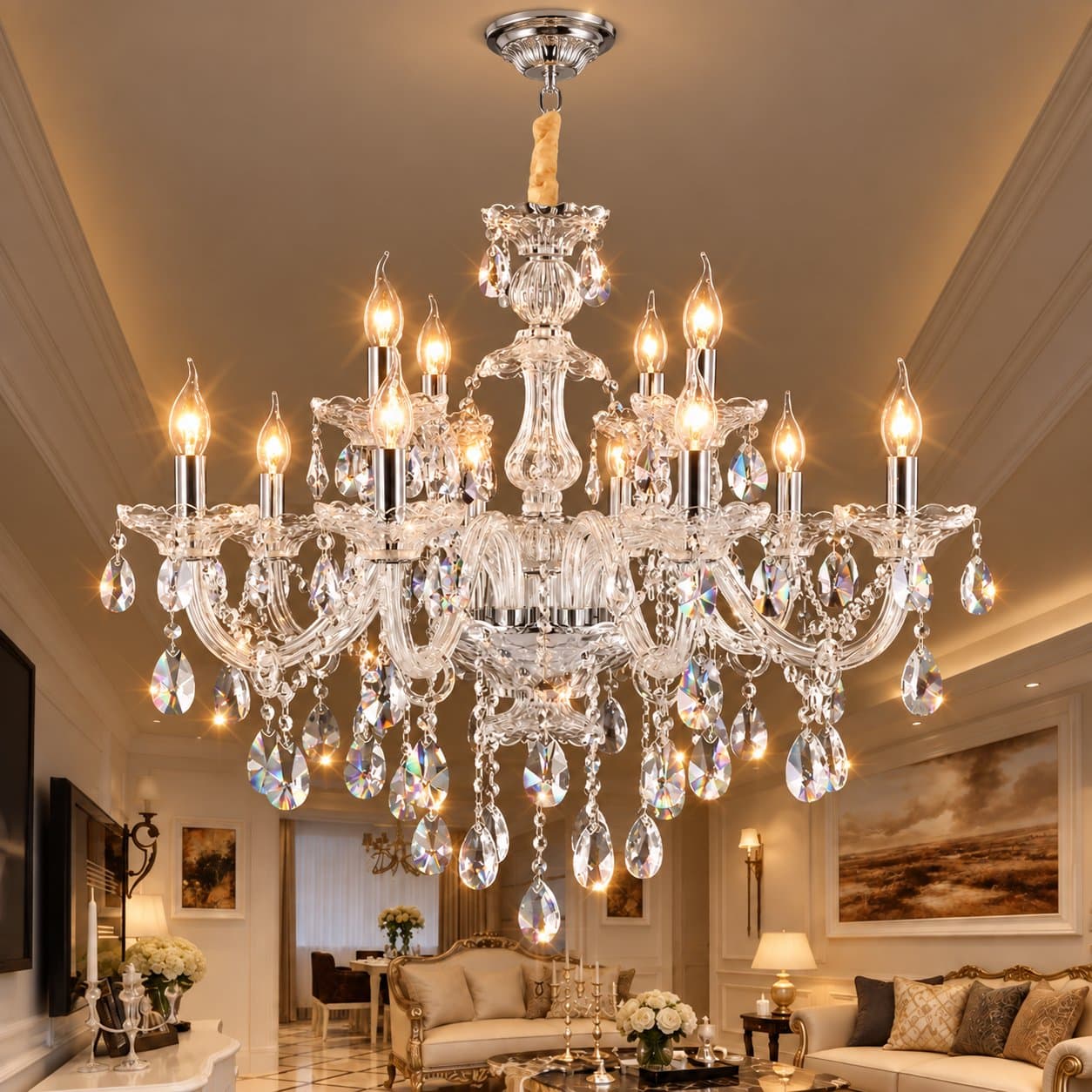
For taller rooms, a pendant or chandelier becomes an attractive option. These fixtures occupy empty overhead space while serving as beautiful focal points that enhance the overall interior design. In homes with a lower ceiling, compact LED fittings and modern surface-mounted designs prevent the room from feeling cramped while still delivering excellent brightness.

How Can You Transform Your Space with the Right Fixture?

Lighting isn't just functional. It defines the personality of a room. The right fixture can completely transform your space by improving balance, highlighting décor, and creating warmth. Instead of relying on a single light source, combine overhead lighting with wall and floor lighting. This creates depth and avoids harsh shadows.

The goal is to make your ceiling feel like part of the design instead of simply a structural feature. Strategic lighting naturally creates better ambiance, helping every room feel more welcoming.

Ceiling Fittings for High vs. Low Ceilings: What Works Where and Why

What Lighting Works Best for Tall Ceiling Living Areas?

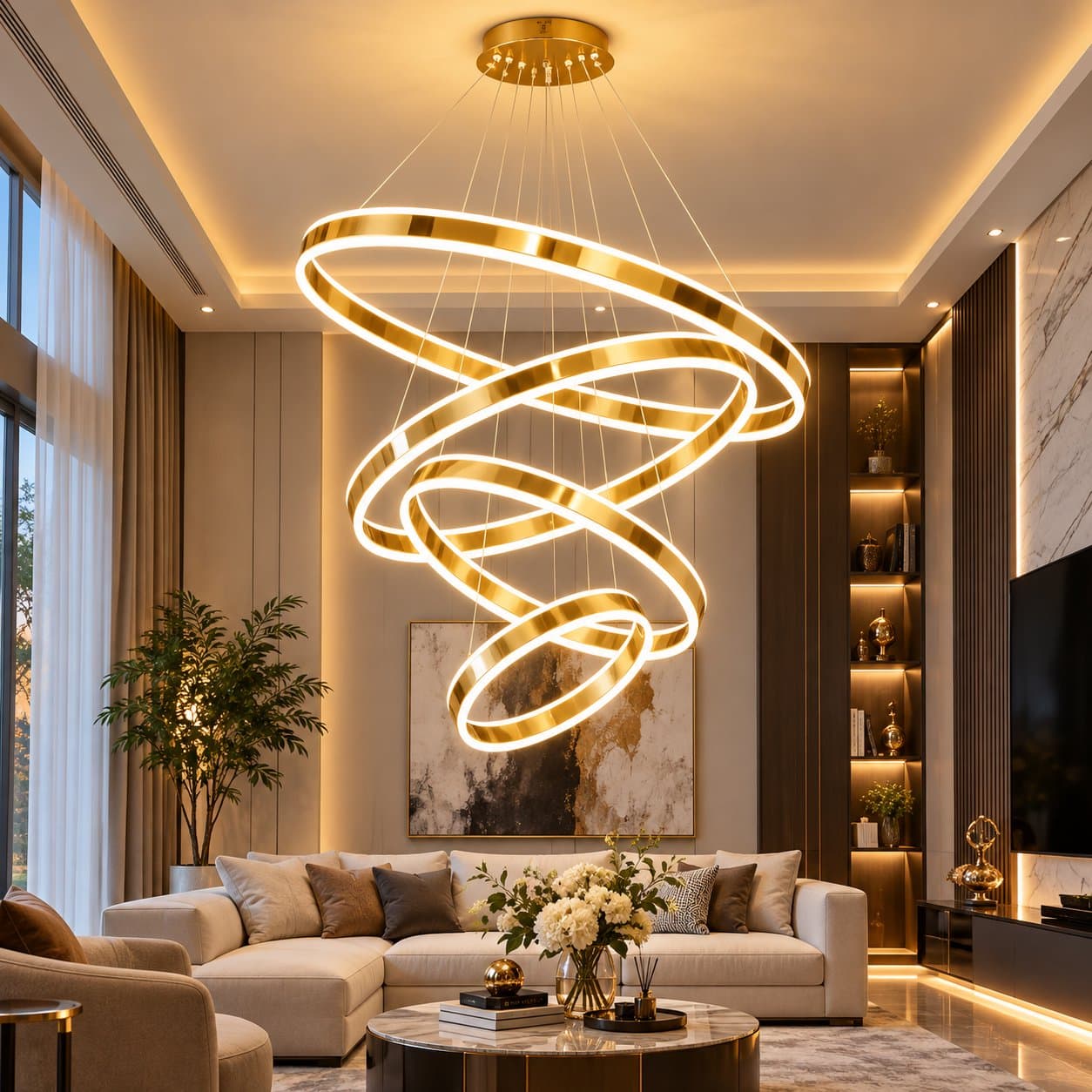
Many living rooms feature a tall ceiling, especially in modern duplexes and open-plan homes. While these spaces look impressive, they require thoughtful lighting. Because high ceilings require stronger visual anchors, larger fixtures often perform better than compact ones. A decorative pendant suspended at the right height fills empty overhead space while maintaining comfortable visibility.

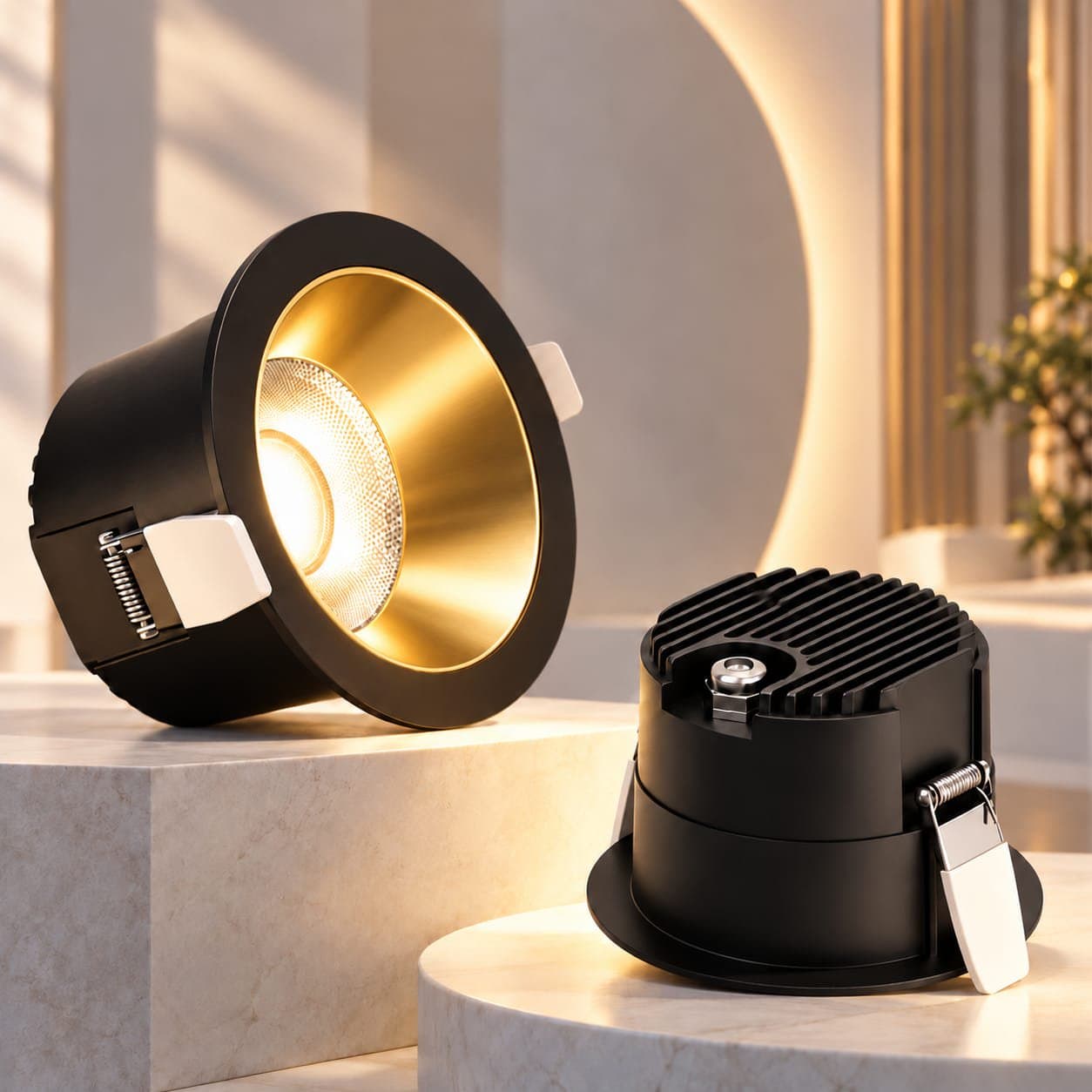
For rooms with high ceilings, combining hanging lights with recessed lighting ensures both style and function. Recessed lights provide even background illumination, while decorative fixtures add personality. Large living rooms also benefit from grouping multiple hanging lights instead of depending on one oversized fixture.

How Do You Make Low Ceiling Rooms Feel Bigger?

If your home has a low-ceiling design, don't worry. Smart lighting can visually expand the room. Surface-mounted fixtures help ceilings seem higher because they stay close to the surface. Bright finishes also reflect more light, helping the room appear larger.

Installing floor lamps and decorative sconces adds layers of light without taking up overhead space. These additional light sources reduce shadows and create a more balanced environment.

Avoid oversized hanging fixtures because they can draw the eye downward, making the room feel cramped. Instead, use clean, modern designs that promote an airy appearance and enhance the overall spacious feel.

Should You Layer Different Types of Ceiling Lighting?

Professional designers rarely rely on only one type of lighting. Instead, they combine several lighting options to achieve both beauty and function. Start with the main ceiling light for general illumination. Add task lighting using a table lamp where needed, and include accent lighting to highlight artwork, shelves, or architectural elements.

A layered lighting plan also allows you to adjust brightness throughout the day using a dimmer. This flexibility helps create an inviting atmosphere for relaxing, entertaining, or working. Layering prevents a room from feeling empty, especially in large rooms with high ceilings.

What Practical Considerations Should You Know Before Buying?

Beyond appearance, several practical considerations influence the best lighting choice. Always measure your room before choosing a fixture. Consider whether your ceiling type is flat, vaulted, or sloped, as installation requirements differ.

If your room is tall enough for suspended lighting, ensure the fixture hangs safely above walkways and furniture. Homes with a two-story foyer often require longer suspension systems. Energy efficiency also matters. Modern LED lights reduce electricity costs while providing excellent illumination and a longer service life.

Common Ceiling Lighting Mistakes to Avoid

Many homeowners focus only on appearance and forget about scale. Using small fixtures in expansive rooms reduces the light's visual presence, while oversized fittings overwhelm smaller spaces.

Ignoring room proportions can also hurt your home's resale value because poorly selected lighting often looks out of place. Avoid depending on one fitting to illuminate the entire living space. Instead, use multiple lighting sources to improve comfort and flexibility.

Ceiling Fittings for High vs. Low Ceilings: What Works Where and Why

How Do You Choose the Perfect Ceiling Light for Every Room?

Every room has unique requirements. Bedrooms often benefit from softer lighting that promotes coziness, while kitchens need brighter task lighting. Dining rooms frequently feature decorative fixtures that hang, creating a strong focal point above the table. Hallways usually benefit from compact surface-mounted lights.

In open-plan homes with varying heights, coordinate lighting styles while adjusting fixture sizes to suit each area. This maintains visual harmony across the home. Whether your ceilings come in standard or custom heights, selecting lights that complement the room's proportions creates lasting comfort and style.

Additional Design Tips for Every Ceiling

A beautiful ceiling deserves more than just a functional light. Decorative details such as wall panels, paint colors, and trim can reinforce the lighting design and strengthen the overall look of your home. Rooms where ceilings create dramatic volume often benefit from lighting that emphasizes a sense of grandeur without making the area feel cold. Meanwhile, compact homes should focus on maintaining balance and avoiding visual clutter.

In spaces where ceilings can create dramatic openness, carefully placed lighting helps the space feel warm rather than empty. A well-planned layout can make a room feel brighter, more comfortable, and visually connected. Open-plan homes with generous floor to ceiling windows naturally appear more spacious, while thoughtful lighting further enhances that spaciousness.

Strategically placed lights can also cast light into corners, brighten a cozy nook, highlight artwork, or improve drawing attention toward attractive architectural features. Finally, remember that modern light fixtures are available in countless finishes and styles. Whether you prefer contemporary minimalism or timeless elegance, the right lighting can elevate any home.

Key Takeaways

  • Choose lighting based on your ceiling height, not just appearance.

  • High ceiling rooms benefit from larger hanging fixtures and layered lighting.

  • Homes with low ceilings look best with flush or semi flush mounted lights.

  • Layer lighting instead of relying on one overhead source.

  • Use dimmers to control brightness and create the right mood.

  • Consider room size, furniture placement, and ceiling type before purchasing.

  • Decorative lighting should complement your interior style while providing sufficient illumination.

  • Well-planned lighting improves comfort, enhances design, and increases long-term home value.

Ceiling Fittings for High vs. Low Ceilings: What Works Where and Why

Similar Articles

Ceiling Fittings for High vs. Low Ceilings: What Works Where and Why | Steadfast